Tsinghua University, endowed with a rich cultural heritage and a vibrant academic tradition, has long been a place where cultures meet and ideas flourish. On campus, young people from around the world gather for conversation, scholars from China and abroad exchange ideas, and research collaborations continue to bear fruit. Across the globe, overseas bases are taking shape, university alliances and international forums are building bridges, and people-to-people exchanges are contributing to diplomacy.
Through education, Tsinghua connects with the world; through openness, it builds the future. In 2016, the University formulated and implemented the Global Strategy. In 2021, it released the Tsinghua University Global Strategy 2030. Over the past decade, Tsinghua has kept in mind General Secretary Xi Jinping’s earnest call to "embrace the world, strive to build confidence, and preserve its distinctiveness. "Steadfastly advancing high-standard opening-up, Tsinghua has left a solid imprint on the global higher education landscape.
Strategic Planning: Guiding Open Development through Top-Level Design
Openness is a national imperative and a key direction for higher education reform. As globalization deepens and China moves closer to the center of the world stage, world-class universities face higher expectations for a global outlook and international competitiveness. In 2014, Tsinghua took the lead among Chinese universities in initiating comprehensive reforms. Through multiple rounds of discussions and consultations on its role in an increasingly globalized world, a consensus gradually emerged: Tsinghua must define its role as a university from a global perspective.
On April 22, 2016, in his congratulatory letter marking Tsinghua University’s 105th anniversary, General Secretary Xi Jinping urged the University to “strive to take the lead in building a world-class university.” The CPC Tsinghua University Committee thoroughly studied and grasped the spirit of General Secretary Xi’s important congratulatory letter, transforming his warm concern into powerful momentum for advancing reform and opening-up in university governance. In July of the same year, following extensive discussions and careful preparations, Tsinghua University launched its first Global Strategy, setting out nine strategic initiatives including global competence, global cooperation, and global reputation.
The Global Strategy set out three core objectives: cultivating top-caliber innovative talent with global competence, conducting research that serves China and the world, and enhancing capacity for internationalization and global impact. Commenting on this major initiative, Qiu Yong, Communist Party Secretary of Tsinghua University, said: “In 2016, Tsinghua University formulated its first Global Strategy, which has not only elevated the University’s international educational vision but also broadened the academic vision of its scholars, providing broader space for student growth.”
On April 19, 2021, General Secretary of the Communist Party of China Central Committee Xi Jinping visited Tsinghua university. He stressed the importance of strengthening international engagement. Xi also called for building platforms for international exchanges and cooperation in education and culture as a joint response to global challenges, and for promoting the common well-being of humanity. Earnestly implementing the spirit of General Secretary Xi’s important speech during his visit, the University released the Tsinghua University Global Strategy 2030 later that same year. With cultivating global competence, building an excellent faculty, and enhancing international capacity as its three pillars, the strategy upgraded the overall layout and established “extensively and deeply connecting with the world” as a key action.
The two strategies, building progressively on one another, have brought strategic planning into close alignment with educational practice. President Li Luming noted, “through its commitment to openness in education, Tsinghua University has forged a path toward building a world-class university rooted in China.” Over the past decade, Tsinghua has moved forward with determination, steadily turning its vision into reality.
Building a Global Network: Expanding the Space for Openness through Partnerships
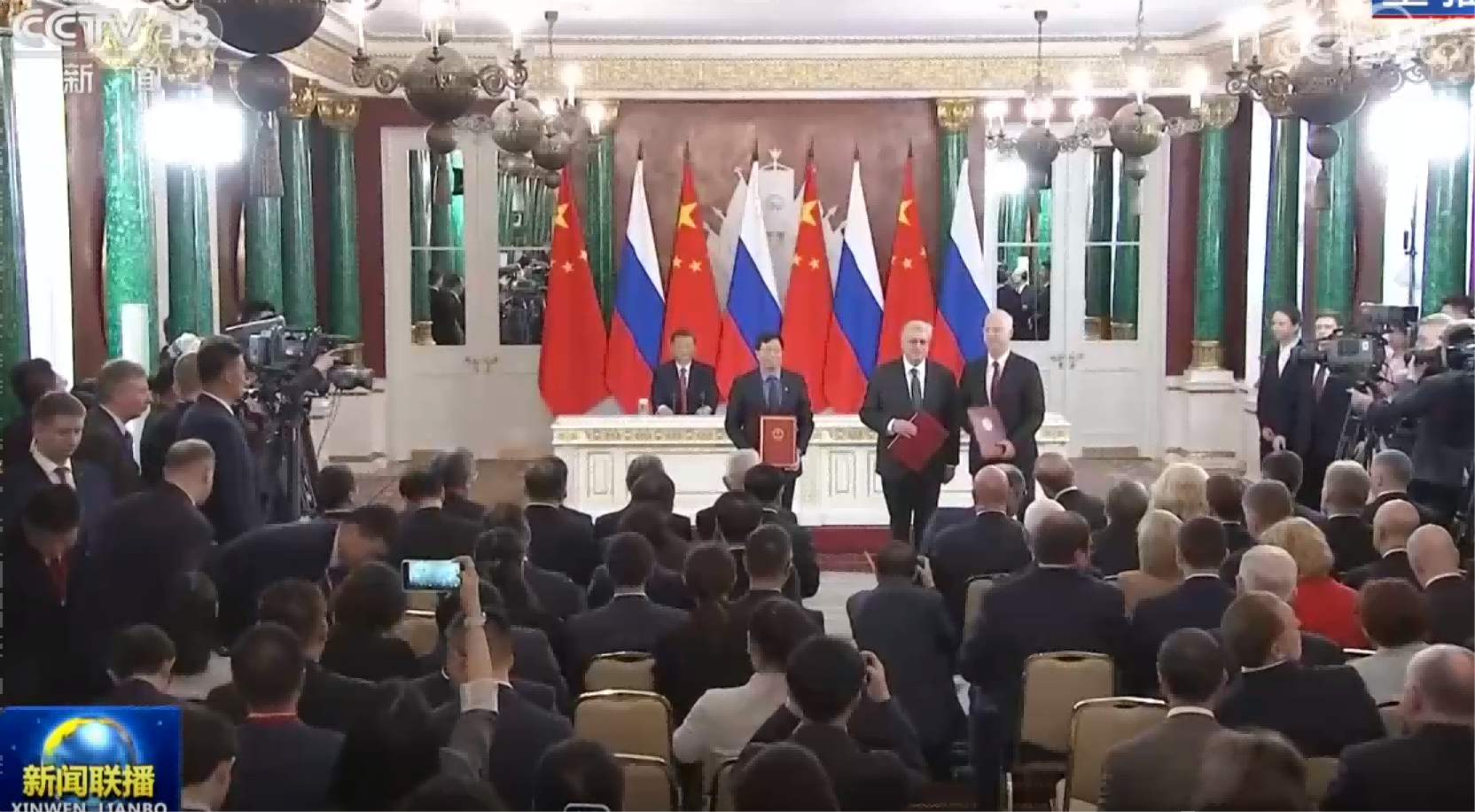
On May 8, 2025, in the joint presence of Chinese President Xi Jinping and Russian President Vladimir Putin, Tsinghua University exchanged a cooperation agreement with the Moscow State Institute of International Relations and the Russian Direct Investment Fund at the Moscow Kremlin.
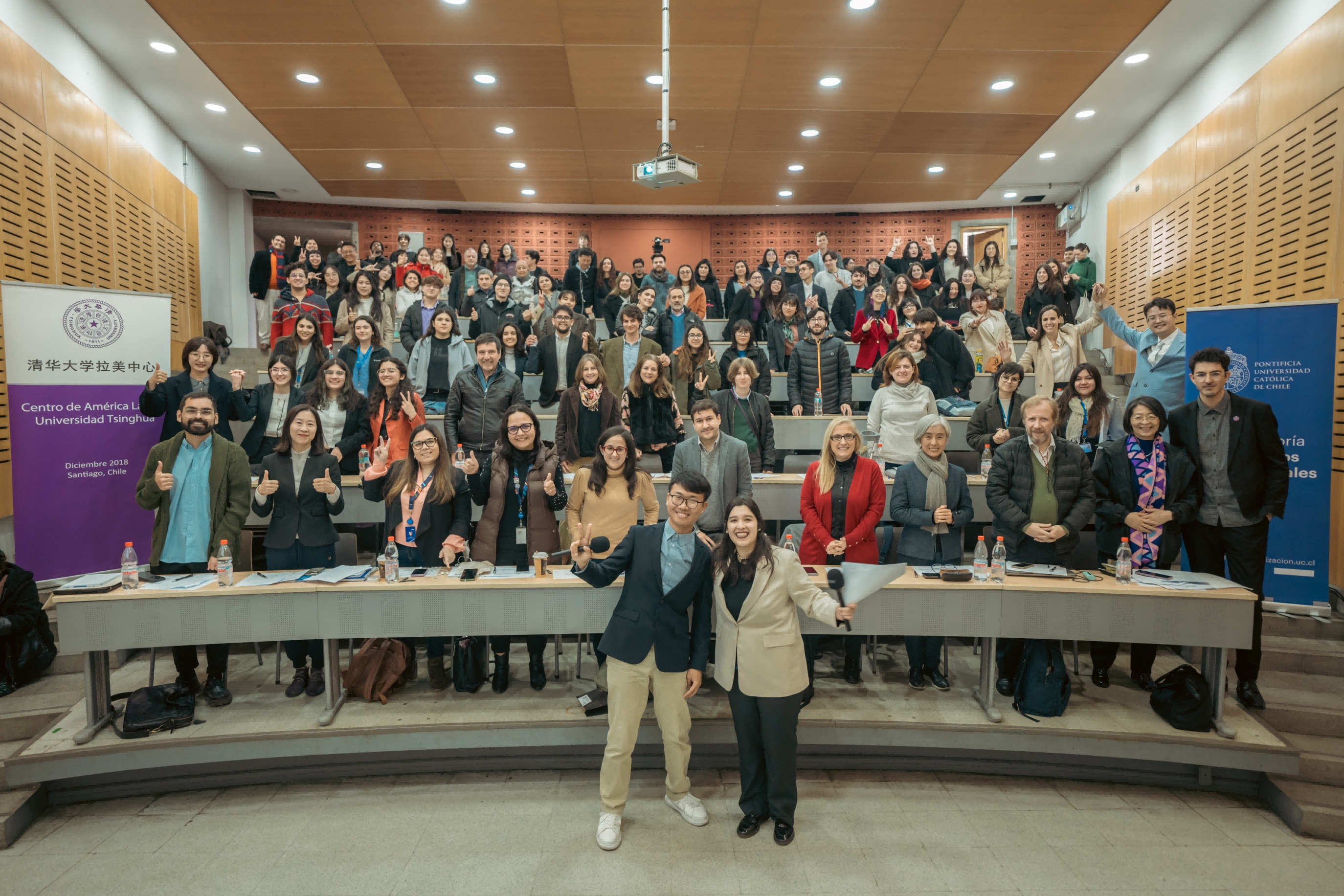
On August 22, 2025, the Chile final of the China-Latin America Youth Challenge to Alleviate Poverty: 2025 Poverty Alleviation Camp,jointly hosted by Tsinghua University, the University of Chile, and other institutions, was held at Pontificia Universidad Católica de Chile.
As an old Chinese saying goes, “Amity between people holds the key to sound state-to-state relations.” Over the past decade, a number of Tsinghua’s cooperation initiatives have been incorporated into the outcome list of head-of-state diplomacy. In 2024, the University signed a Memorandum of Understanding with the Federal University of Rio de Janeiro for the “China-Latin America Youth Responding to Global Challenges” Program, which was included as one of the outcomes of President Xi Jinping’s state visit to Brazil. In 2025, the University signed a Memorandum of Understanding on the Establishment of Vietnam-China University Network and a Memorandum of Understanding on deepening cooperation in the field of digital education with Vietnam National University, Hanoi, both of which were included in the outcomes of President Xi’s state visit to Vietnam. In 2026, a memorandum of understanding between Tsinghua University and St. Petersburg State University on the Joint Establishment of the China-Russia Innovation Institute was signed in the presence of the Chinese and Russian presidents. Tsinghua has become increasingly active on the international stage.
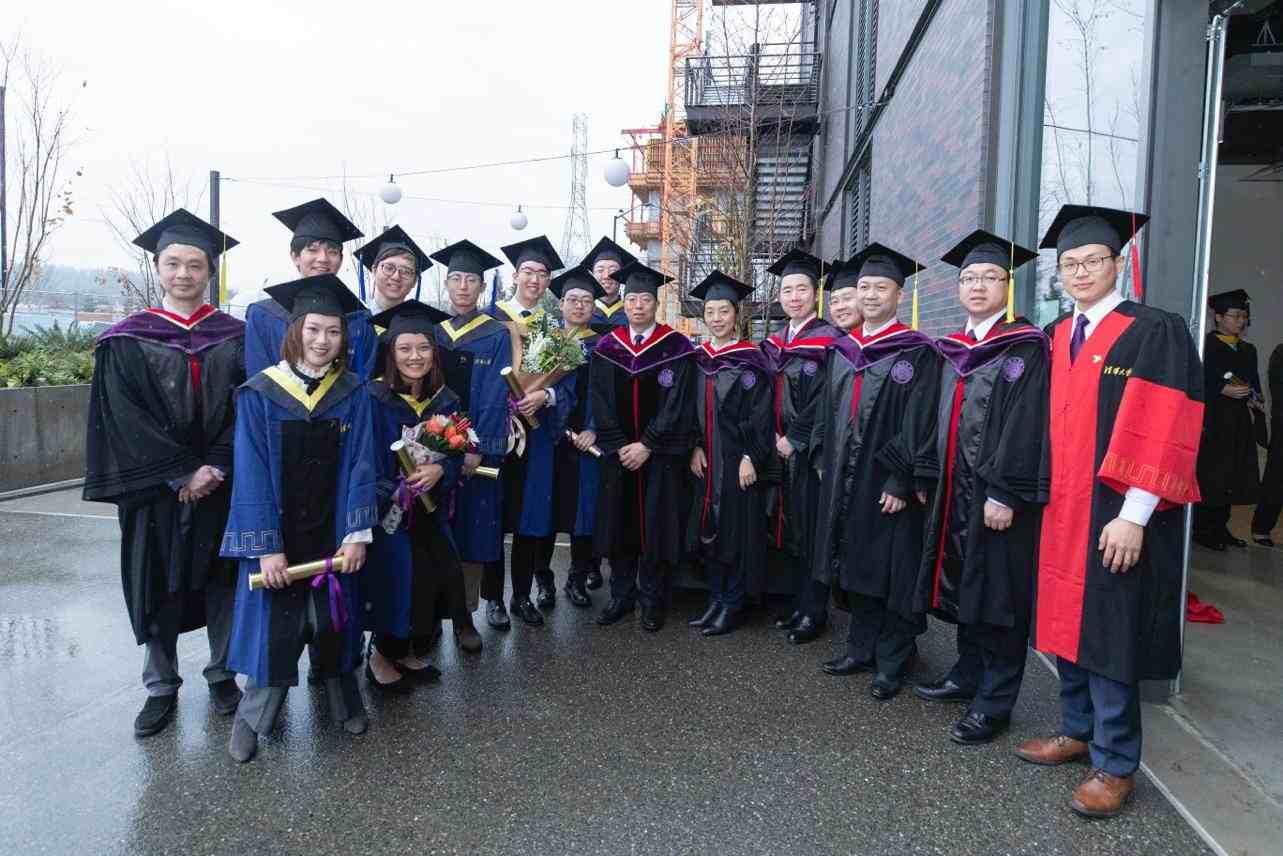
On December 9, 2018, the first graduation ceremony of the Global Innovation Exchange Institute was held in Seattle’s GIX Building.
Every partnership depends on strong platforms to take root and grow. As gateways for opening up, overseas bases have become important fulcrums of the Global Strategy. In 2015, the Global Innovation Exchange Institute (GIX) was established by Tsinghua University and the University of Washington with support from Microsoft. This is the first time a Chinese university has established a physical presence in the United States. In 2017, in the presence of the Chinese and Italian heads of state, Tsinghua signed a cooperation agreement with Politecnico di Milano on the China-Italy Design Innovation Hub and established the Tsinghua Arts and Design Institute in Milan (ADIM). In 2018, the Tsinghua Southeast Asia Center broke ground in Bali, Indonesia, and the Tsinghua Latin America Center was inaugurated in Santiago, Chile. In 2025, the Tsinghua University Africa Center was unveiled in Nairobi, Kenya, serving as Tsinghua’s liaison and exchange hub in Africa and advancing cooperation with African countries.
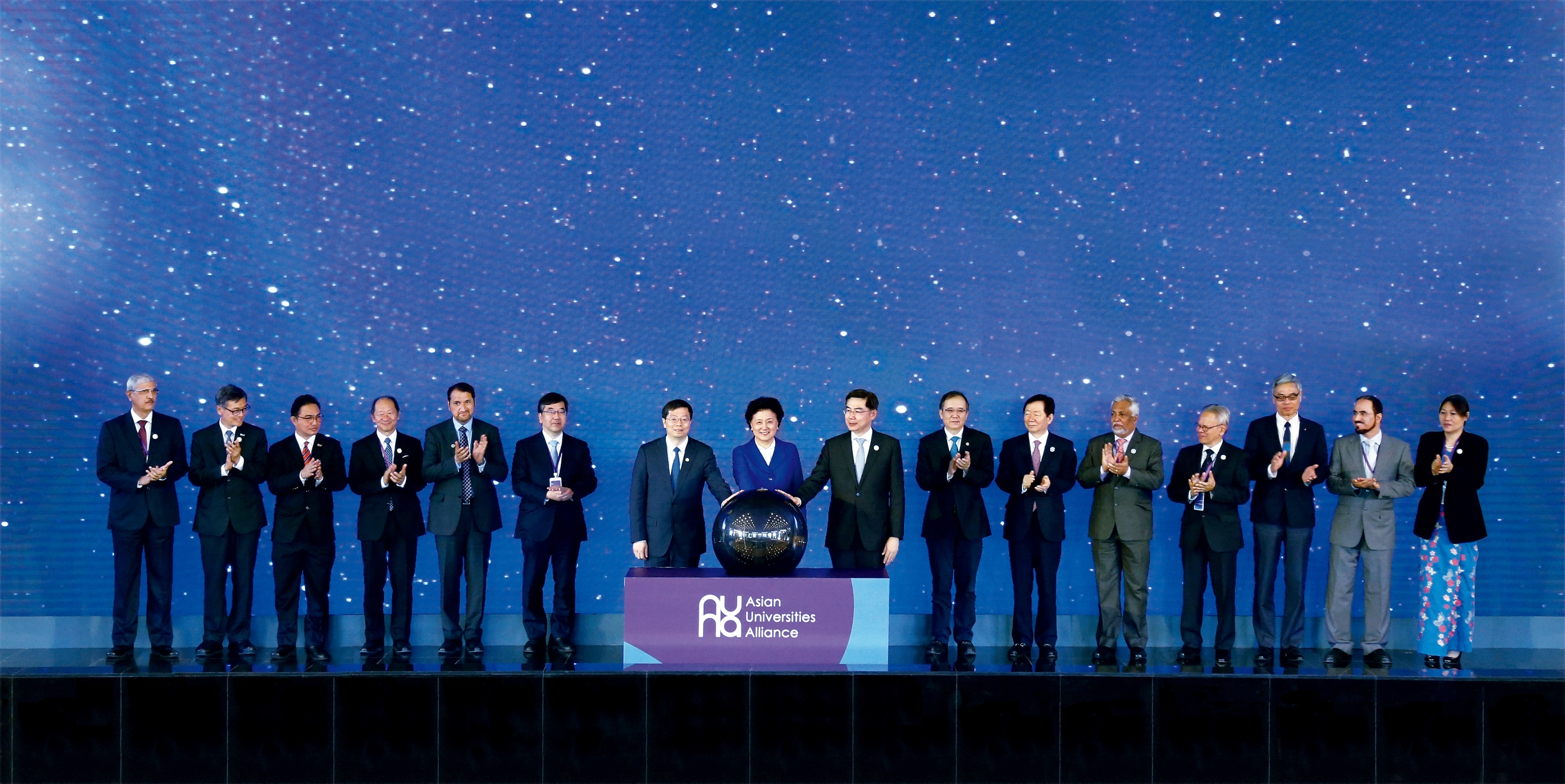
On April 29, 2017, the Asian Universities Alliance, initiated by Tsinghua University, was established. Liu Yandong, then Vice Premier of State Council of China, attended the conference and delivered a keynote speech.
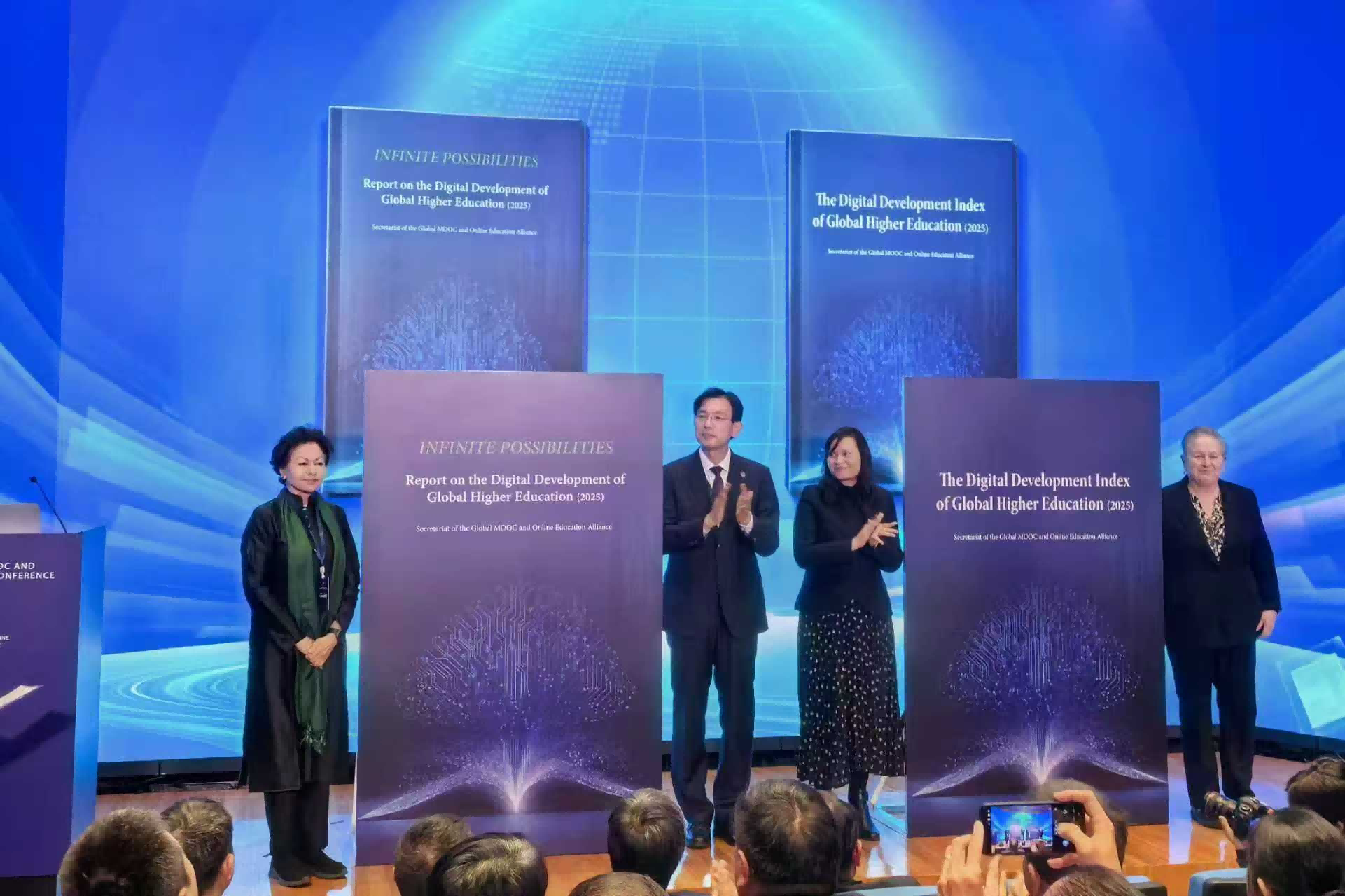
On December 2, 2025, a Tsinghua delegation attended the 2025 Global MOOC and Online Education Conference held at the National Autonomous University of Mexico.
Several global university alliances initiated by Tsinghua University have been established successively, bringing together leading universities worldwide and providing platforms for multilateral dialogue and collaboration. In 2017, Tsinghua University initiated the Asian Universities Alliance (AUA) and served as its inaugural chair institution. As the first alliance primarily composed of Asian universities, AUA brings together 15 top universities across Asia and has facilitated cross-border exchanges for more than 1,000 faculty members and students to date. In 2019, the University initiated the Global Alliance of Universities on Climate (GAUC) and served as its inaugural chair institution. Fifteen world-class universities, including the Massachusetts Institute of Technology (MIT), the University of Oxford, and the University of Cambridge, have since joined. Related initiatives were incorporated into the Nationally Determined Contributions (NDC) document submitted by the Chinese government to the Secretariat of the United Nations Framework Convention on Climate Change (UNFCCC). In 2020, student representatives of the Global Alliance of Universities on Climate (GAUC) wrote to President Xi Jinping to report on their learning and practical experiences, and received a reply letter of encouragement from him. That same year, the University initiated the establishment of the Global MOOC Alliance (later renamed the “Global MOOC and Online Education Alliance”), which now comprises 25 universities, research institutions and online education platforms from 18 countries across six continents. The World Conference on MOOCs and Online Education, hosted by the alliance, has been held for six consecutive sessions. It has released outcomes including the Beijing Declaration and the Mexico City Declaration, steadily turning concepts such as education digitalization and AI‑empowered education into concrete practices of international cooperation.
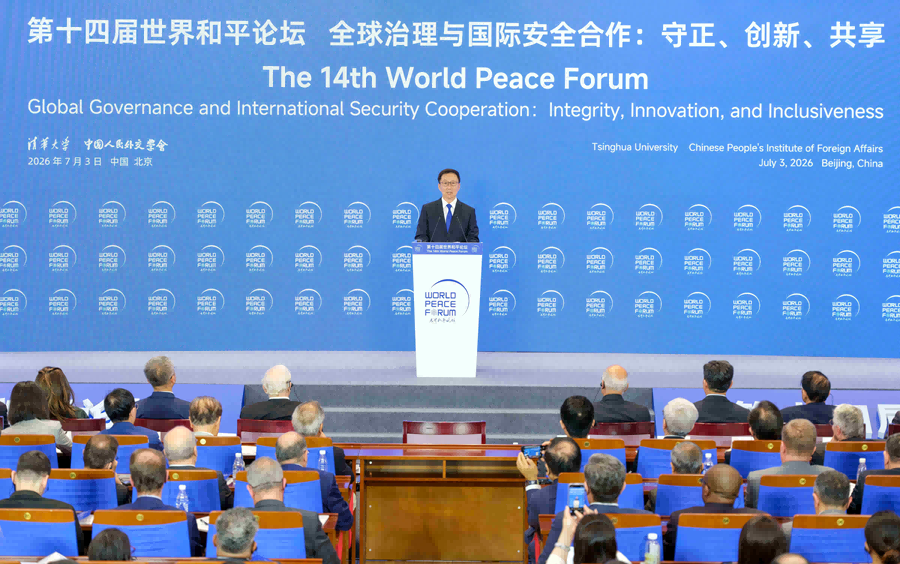
On July 3, 2026, the 14th World Peace Forum, co-hosted by Tsinghua University and the Chinese People’s Institute of Foreign Affairs (CPIFA), was held at Tsinghua University. Chinese Vice President Han Zheng attended and addressed the opening ceremony of the 14th World Peace Forum at Tsinghua University. (Xinhua News Agency reporter Ding Lin)
Cooperation requires both mechanisms and dialogue. Since 2012, Tsinghua University has hosted the World Peace Forum annually for fourteen consecutive years. As China’s first high‑level, non‑governmental international security forum, it has brought together policymakers and think tank experts from around the world each year to jointly discuss international security governance.
To date, the University has signed inter‑institutional cooperation agreements with over 400 universities, research institutions, and international organizations across 55 countries. From overseas bases and university alliances to high‑level forums and a global partnership network, Tsinghua’s overseas “circle of friends” continues to grow and deepen.
Nurturing Talent through a Global Outlook
“Global competence must be cultivated on global platforms, while a global outlook is developed through the experience of venturing out into the world.” Qiu Yong shared Tsinghua’s experience at the 2019 National Conference on Educational International Affairs.
In 2016, Tsinghua University became the first Chinese higher education institution to propose the concept of “Global Competence.” Based on three dimensions—cognitive, interpersonal, and personal—the University identified six core competencies: knowledge of the world and global issues, language, openness and respect, communication and collaboration, self‑awareness and confidence, and ethics and responsibility. In April 2018, the University established the Center for Global Competence Development (CGCD), integrating global competence development throughout the entire teaching and learning process and establishing a multi-level, diverse overseas learning system.
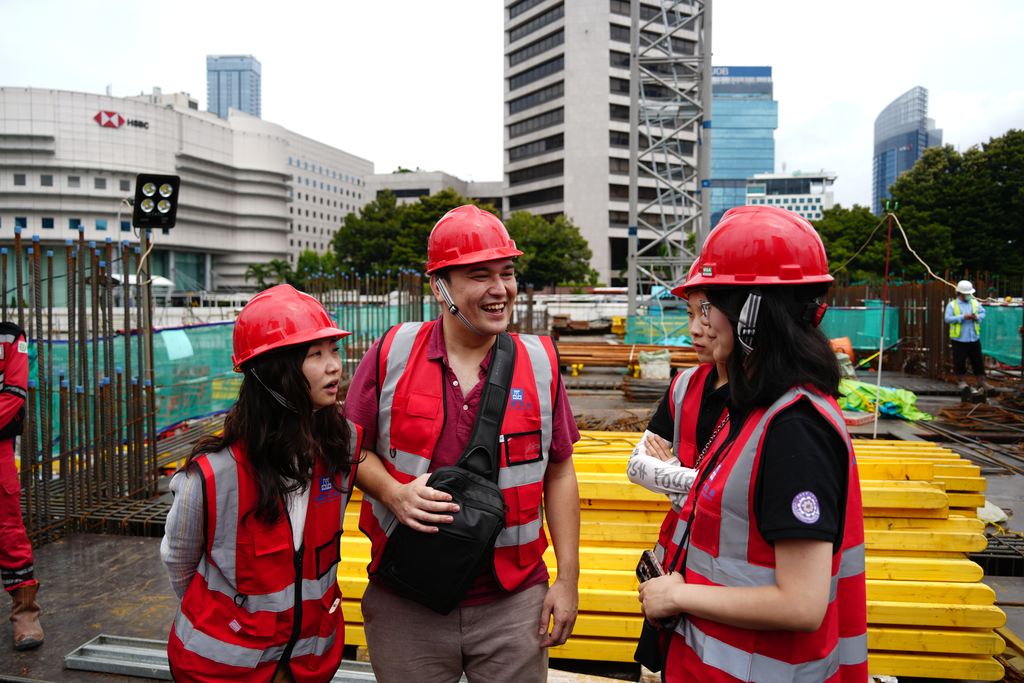
In the winter of 2025, a social practice team from the Department of Mechanical Engineering, Tsinghua University, conducted field research in Indonesia on local sci-tech and industrial development.
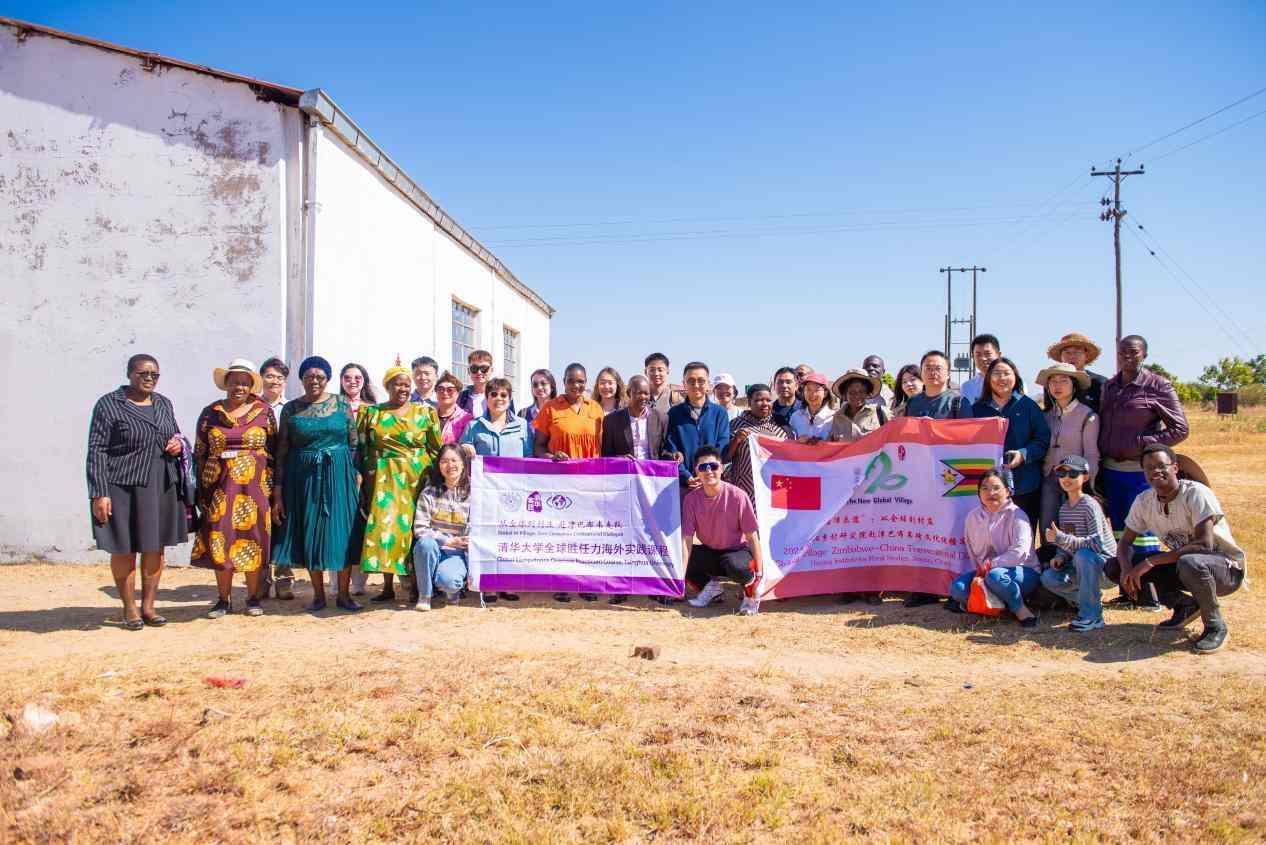
In the summer of 2024, the Global Competence Overseas Practice Course conducted field research in Zimbabwe.
A number of flagship programs have emerged in response. As Professor Hu Yu of the Tsinghua School of Journalism and Communication puts it: “Only by measuring with our own feet, observing with our own eyes, and thinking with our own minds can we grasp a true picture of the world.” In his view, cultivating global competence must begin with helping students see the world as it really is. In 2017, the Tsinghua School of Journalism and Communication, the Communist Youth League Committee of Tsinghua University, and the Center for Global Competence Development jointly launched a university‑wide elective course, the Global Competence Overseas Practice Course, which organizes students to conduct fieldwork in Belt and Road countries and regions. In Brazil, the student team from the Global Competence Overseas Practice Course tracked down Carlos Tavares, a Brazilian who referred to himself as “a Brazilian with a Chinese heart.” Now over 90, he recounted how he had built a bridge of friendship between China and Brazil through ten books and shed tears as he spoke. In Ethiopia, students travelled aboard the newly opened Addis Ababa-Djibouti Railway. The familiar stations and carriages gave them a tangible sense of China’s support for and impact on infrastructure development in Africa. Another educational initiative under the Global Strategy is the Yinghua Scholars Program, which encourages and supports selected undergraduates to spend a year as visiting students at prestigious overseas universities. The Yinghua House, located at No. 22 Building, Shengyin Yuan, has become a welcoming hub where Yinghua scholars gather to exchange ideas and insights. Traveling and observing along the way, Tsinghua students gradually came to understand the world through cross-cultural exchange, while gaining a deeper understanding of China.
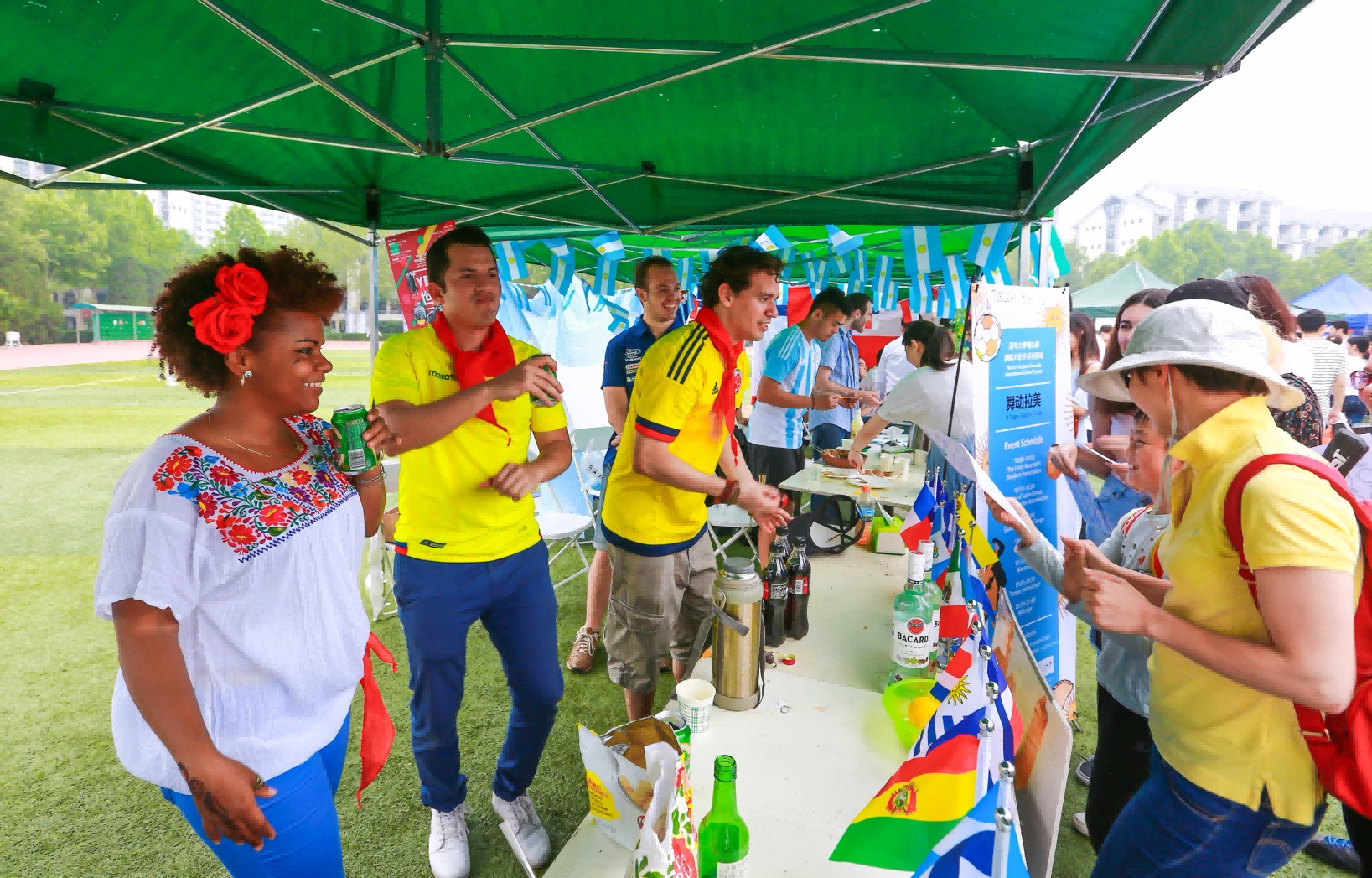
On May, 2018, Tsinghua University held “The 9th Tsinghua University International Cultural Festival” and “Global-Village” International Cultural Expo.
The University is committed both to helping students go global and to internationalizing its campus. Since 2017, it has implemented the Internationalization Capability Enhancement Plan. Since 2018, it has led the country in introducing convergence management for Chinese and international students. It has strengthened institutional capacity for internationalization in areas such as work philosophy, teaching, service management, and campus environment. A wide range of exchange and integration activities for Chinese and international faculty and students—including the annual Global Summer School, Zhi-Xing China, Tour of Beijing Central Axis, the International Students and Scholars’ Gala Night, and the International Cultural Festival—continuously help to build an open, inclusive, and diverse campus.
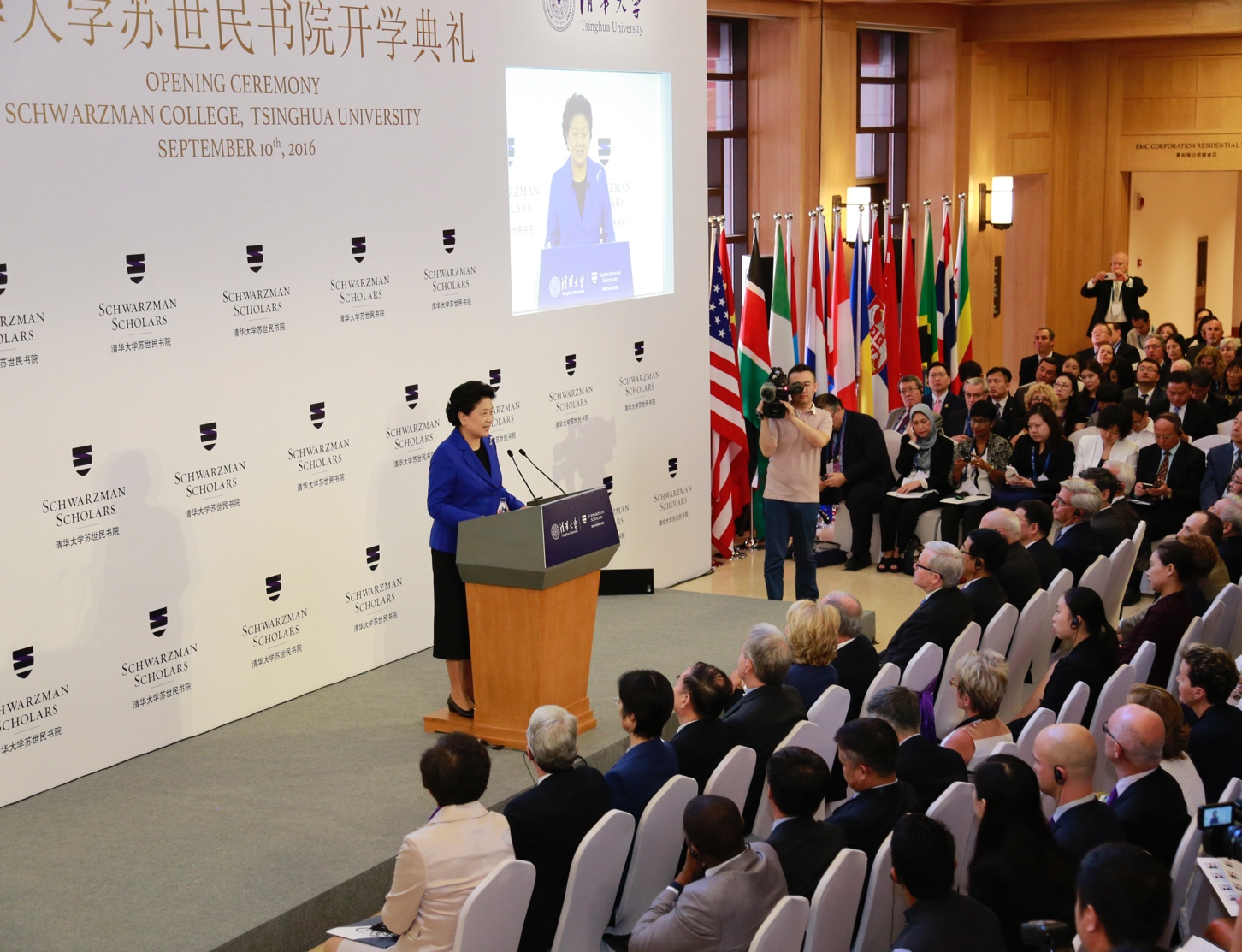
On September 10, 2016, the convocation ceremony of Schwarzman College was held. Chinese President Xi Jinping and then U.S. President Barack Obama both sent congratulatory letters, extending congratulations and best wishes to the inaugural class. Liu Yandong, then Vice Premier of State Council, attended the ceremony and conveyed congratulations to the inaugural class of Schwarzman Scholars on behalf of the Chinese government.
Colleges are also gradually becoming new carriers for internationalized education. Schwarzman College is guided by the vision of being “rooted in China, embracing the world, and cultivating future global leaders.” Over the past decade, it has cultivated more than 1,300 scholars, who are now active in over 100 countries and regions across the world, widely engaged in global political and business sectors and international organizations. In 2025, Tsinghua established Zijing College. Its inaugural class of over 80 freshmen came from more than 20 countries, and it launched the university's first English-taught undergraduate program in engineering. In 2026, Zhishan College introduced an English-taught undergraduate program in the humanities, further advancing integrated education for Chinese and international students.
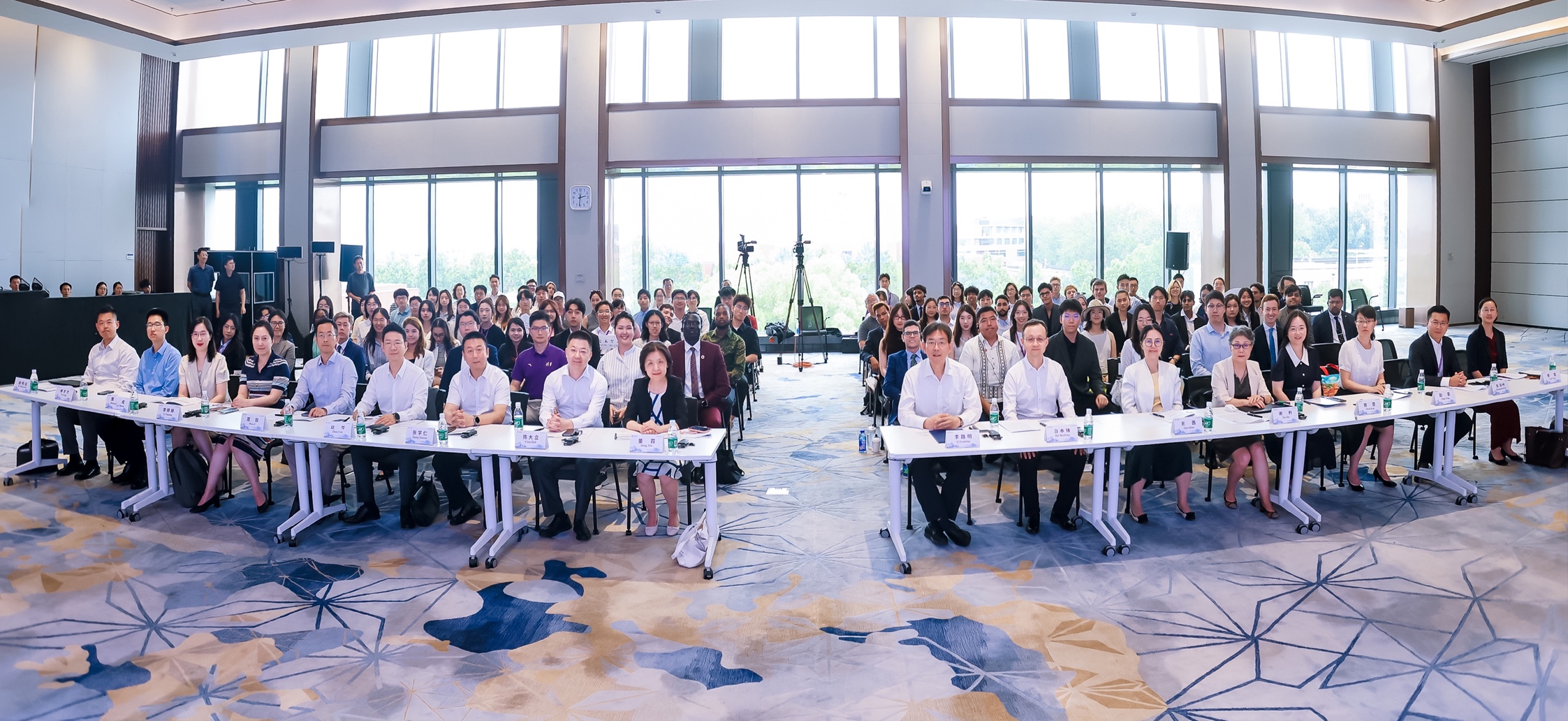
On July 8, 2025, the third Tsinghua Global Youth Dialogue Main Forum was held.
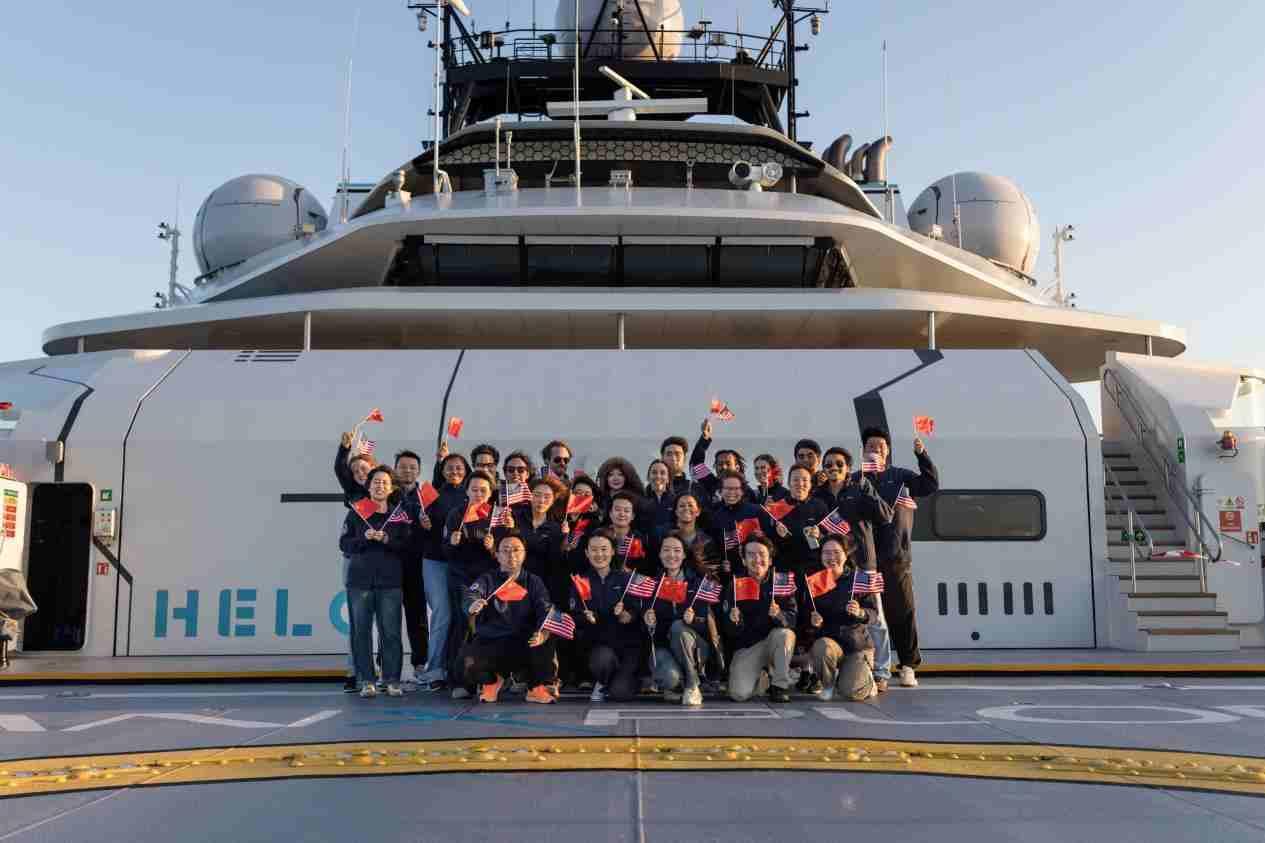
From late March to early April 2026, 20 young students from China and the United States embarked on a research ship and jointly carried out a marine exploration and cultural exchange activity themed “A Shared Voyage: China-U.S. Youth Friendship Program.”
In November 2023, President Xi Jinping proposed the initiative to “invite 50,000 young Americans to China for exchange and study programs over a five-year period.” Tsinghua University has firmly implemented this initiative by consistently building a youth exchange system that combines regular programs, signature events, and in‑depth practice. With students at its core, the University has created the Tsinghua Global Youth Dialogue to connect a growing number of Chinese and international young people.
In the spring of 2026, “A Shared Voyage: China-U.S. Youth Friendship Program” was launched. 20 Chinese and U.S. youth embarked on the China-U.S. Youth Friendship vessel, including three students from Tsinghua University: Niu Lishan, a PhD student at the School of Environment; Zhou Xinyi, a Master’s student at the School of Journalism and Communication; and Guo Shuohai, a PhD student at the School of Vehicle and Mobility. During 12 days of close interactions, the three students forged friendships with partners from both countries. After returning to China, Chinese and American young people wrote to President Xi Jinping, expressing gratitude for the valuable learning and exchange opportunities created by the “50,000 in Five Years” initiative. President Xi replied to the letter, encouraging more Chinese and U.S. youth to take up the baton of friendship, learn from each other, progress together, and become “envoys of friendship” bridging the Pacific, and to make new contributions to the stable, healthy and sustainable development of China-U.S. relations.
Stories like this are common in Tsinghua’s opening-up efforts. Over the past decade, as the University’s overseas exchange initiatives have continued to grow, an increasing number of Tsinghua students are choosing to join international organizations and contribute to global development. Since 2017, hundreds of Tsinghua students have interned or worked at more than 80 international organizations worldwide—making China’s voice heard and bringing the strength of youth to the global stage.
Gathering Talent and Pursuing Scholarship: Enhancing Openness Through Integrated Innovation
An open, inclusive academic atmosphere is attracting a growing number of top scholars worldwide to Tsinghua. In 2025 alone, more than 8,000 experts and scholars from 136 countries and regions visited the University for exchange.
Global talent has continued to arrive: In mathematics and physics, Fields Medalist Caucher Birkar and leading international mathematical physicist Nicolai Reshetikhin have joined Tsinghua full‑time. In chemistry, materials, and engineering sciences, Nobel Laureate in Chemistry and top global chemical materials scientist Omar M.Yaghi, renowned nanoscience and chemistry scholar Charles M. Lieber, nanomaterials and flexible wearable technology expert Seeram Ramakrishna, and leading mechanics, materials, and engineering sciences expert Gao Huajian have all joined full‑time. In climate science, medicine, and statistics, internationally renowned climatologist Chen Deliang, world‑class physician‑scientist Wong Tien Yin, and renowned statistician Liu Jun have also come aboard. “Tsinghua provides an unparalleled academic environment that allows us to pioneer innovation and reach new academic heights,” said Chen Deliang.
International research cooperation is advancing on all fronts: The China–Indonesia Joint Laboratory on HTGR, jointly established by Tsinghua University and the National Atomic Energy Agency of Indonesia, is both a major achievement in sci‑tech cooperation between China and Belt and Road partner countries and a key step in China’s strategy to globalize its nuclear power. Over the past decade, Tsinghua’s internationally co‑authored papers have doubled, and those with Tsinghua as the first‑author affiliation have increased by more than 50%. Collaboration with top global universities and research institutions continues to deepen. More faculty members now hold key positions in international academic organizations, sci-tech journals, and major conferences, engaging deeply in global academic governance. A cluster of world-class sci-tech journals is developing rapidly, steadily enhancing the international academic influence and voice of Tsinghua scholars.
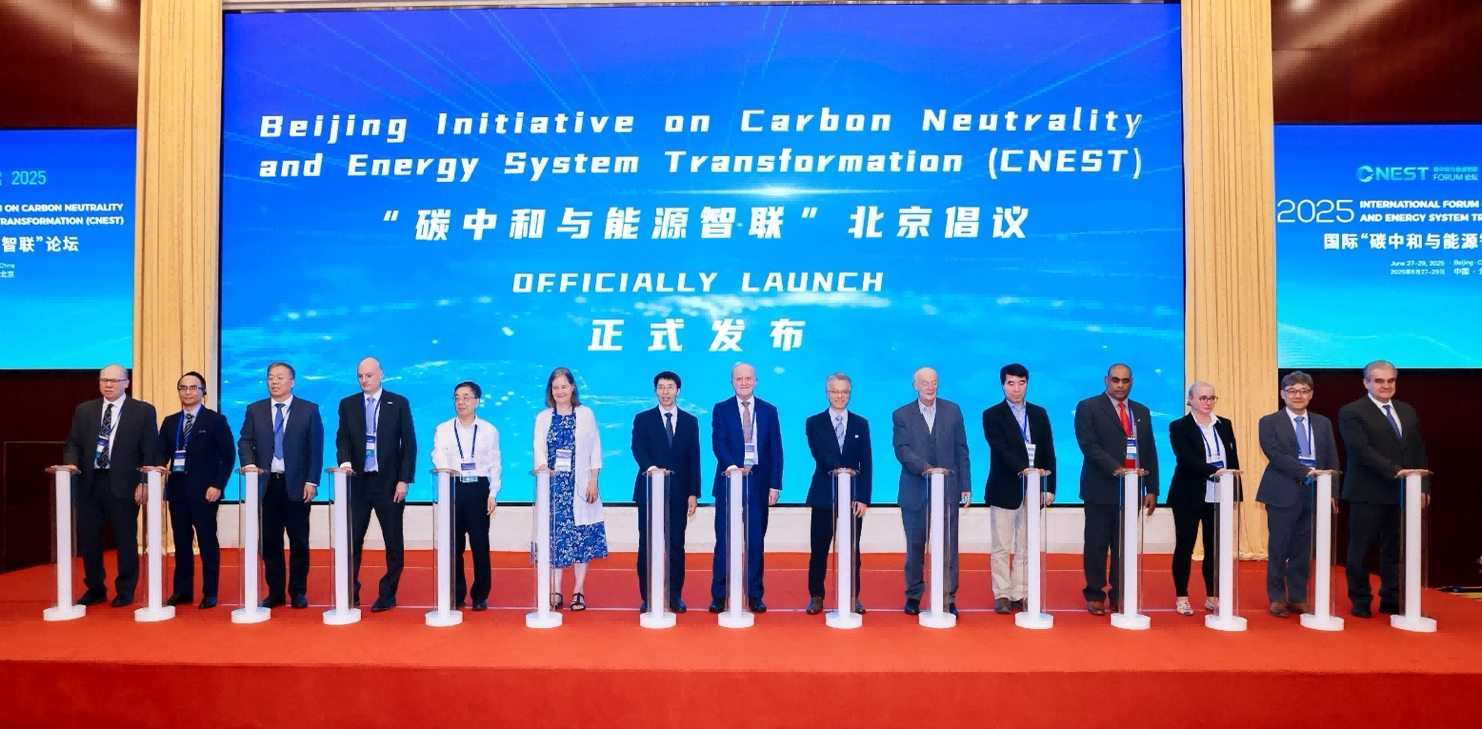
From June 27 to 29, 2025, the 2025 International Forum on Carbon Neutrality and Energy System Transformation (CNEST), initiated and hosted by Tsinghua University and organized by the Institute for Carbon Neutrality, Tsinghua University, was held in Beijing. The Beijing Initiative on Carbon Neutrality and Energy System Transformation (CNEST) was launched at the forum.
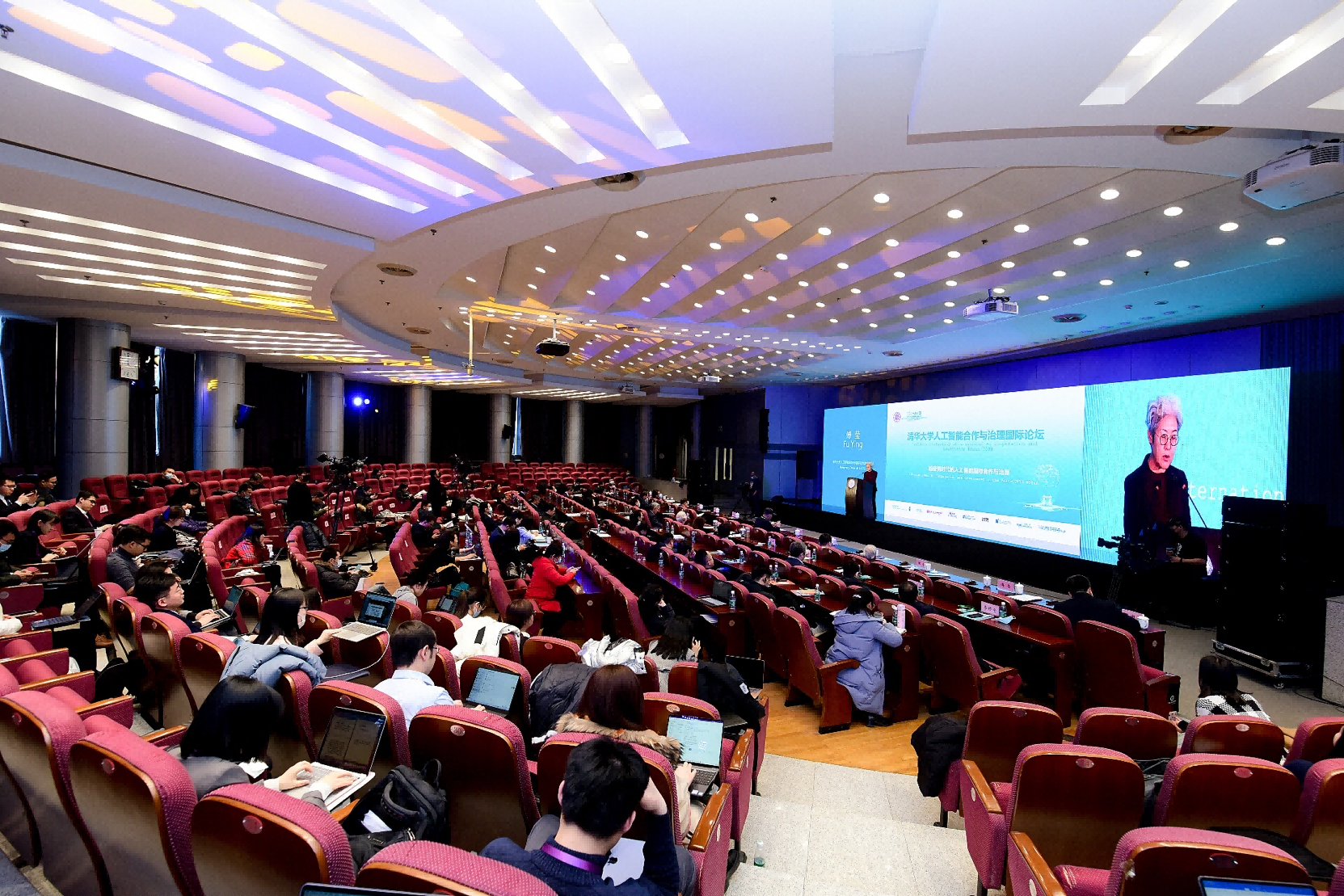
On December 18, 2020, the first International AI Cooperation and Governance Forum was held at Tsinghua University.
Addressing major global issues, Tsinghua University has taken the initiative to build platforms and amplify China’s voice. In climate change and energy, it launched the Carbon Neutrality and Energy System Transformation (CNEST) multilateral collaboration program in November 2023, which has drawn more than 80 institutions and teams worldwide. In 2026, the program was selected for the United Nations’ International Decade of Sciences for Sustainable Development. In public health, the University initiated and has held five consecutive sessions of the World Health Forum, now a global, high‑level platform for intellectual exchange and dialogue on public health. In AI governance, the Institute for AI International Governance of Tsinghua University continues to contribute Chinese solutions and promote multilateral dialogue. In 2025, it became the world’s first research institution to win the UNESCO-Uzbekistan Beruniy Prize for Scientific Research on the Ethics of AI. Tsinghua scholars have also turned their attention to the roots of civilization. Since 2023, the University has initiated and successfully held two sessions of the International Academic Forum on “Paleography and Chinese Civilization.” It has brought together scholars from dozens of universities and research institutions across more than ten countries and regions to explore ancient civilizations and transform ancient Chinese scripts into a bridge for mutual learning among civilizations.
Embracing the world with openness, Tsinghua answers the call of the times. This is both Tsinghua’s response to the world and a powerful expression of China’s higher education opening-up in the new era. At this new starting point, Tsinghua will continue to embrace the world with an open and inclusive spirit, deepen cooperation through concrete action, and steadily advance its Global Strategy—moving forward along the path of mutual learning among civilizations and win-win cooperation.
Editors: Li Han, John Paul Grima